



China has long been a significant player in Africa’s energy sector, historically focusing on large-scale fossil fuel projects. However, recent developments indicate a strategic pivot towards renewable energy investments across the continent.
Transition to Renewable Energy
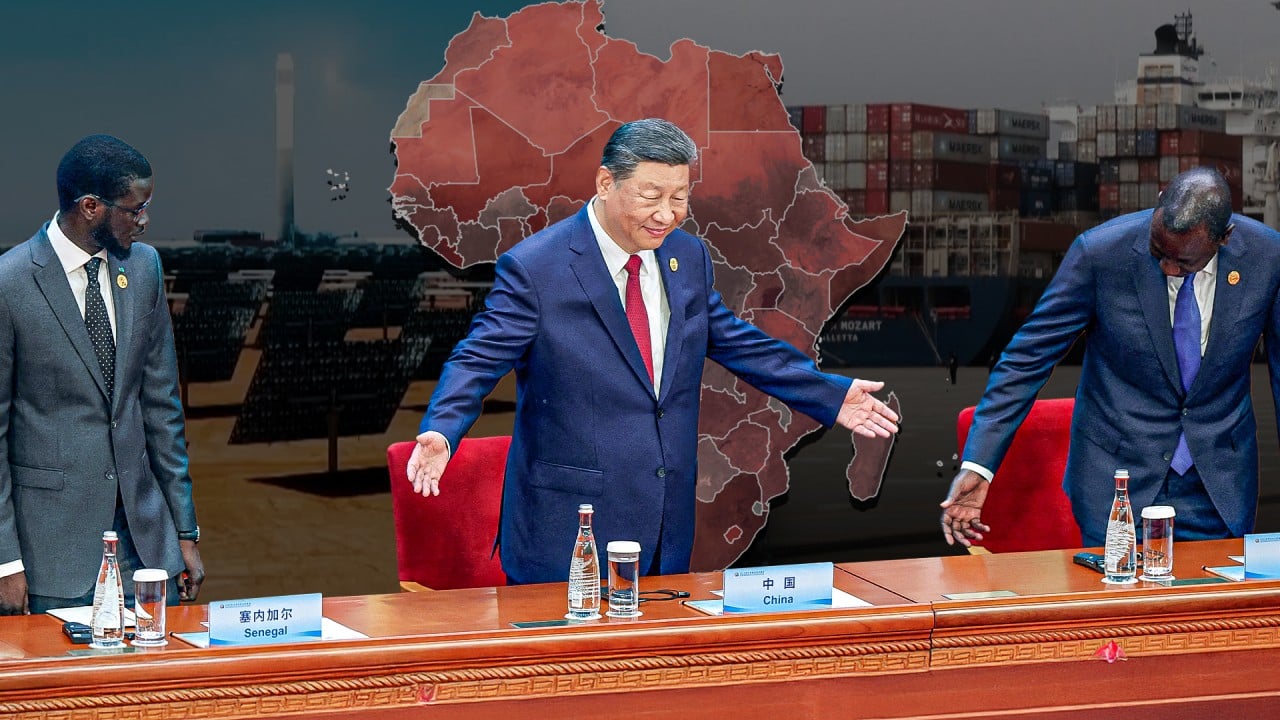
At the 2024 Forum on China–Africa Cooperation (FOCAC) in Beijing, China announced plans to develop 30 renewable energy projects across Africa, marking a substantial shift from its traditional energy investments. This move aligns with China’s broader commitment to green energy and reflects a growing emphasis on sustainable development in its foreign investments.
Data indicates that solar and wind power now constitute 59% of China’s energy projects in Africa, underscoring the continent’s importance as a market for these technologies. This transition is further supported by China’s decision to cease funding coal power projects abroad, reinforcing its dedication to renewable energy initiatives.
Notable Projects and Collaborations
China’s renewable energy investments in Africa are materialising through various significant projects:
- Donsin Solar Power Station, Burkina Faso: A 25 MW solar power plant funded by a €45.7 million loan from the Export-Import Bank of China, aiming to reduce the country’s electricity import bill. Wikipedia
- Jwaneng Solar Power Station, Botswana: A 100 MW solar project developed by a consortium including Chinese companies, contributing to Botswana’s goal of sourcing 50% of its electricity from renewables by 2036. Wikipedia
- Karuma Hydropower Project, Uganda: A 600 MW hydropower plant financed primarily through a $1.4 billion loan from China’s Exim Bank, significantly boosting Uganda’s power capacity. Reuters
These projects exemplify China’s role in enhancing Africa’s renewable energy infrastructure, providing both financial support and technological expertise.
Evolving Investment Strategies
China’s approach to energy investments in Africa is also evolving in terms of financing models. There is a noticeable shift from reliance on policy banks to increased involvement of commercial financiers and smaller-scale projects. This change reflects a more diversified and potentially sustainable investment strategy, aligning with the dynamic needs of African energy markets.
Implications for Africa’s Energy Landscape
China’s intensified focus on renewable energy investments holds significant implications for Africa’s energy future. By facilitating access to clean energy technologies and infrastructure, these investments can contribute to addressing the continent’s electricity deficits and support sustainable economic growth. Moreover, the collaboration between China and African nations in the renewable energy sector may serve as a catalyst for broader environmental and technological advancements across the continent.
In summary, China’s strategic shift towards renewable energy investments in Africa represents a transformative development in the continent’s energy sector, with the potential to foster sustainable growth and strengthen Sino-African relations.